
A student journey showcasing how the STEP framework supported Patrick's transition to residential living, emotional wellbeing and personal development.
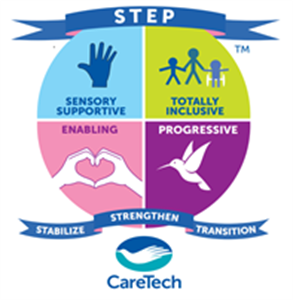
This term has marked a significant period of growth and transition for Patrick as he moved from being a day student to becoming a residential student within the school community. Whilst this transition created opportunities for increased independence, belonging and consistency, it initially presented a number of challenges that impacted Patrick emotional wellbeing and regulation.
During the early stages of the transition, Patrick experienced several high-intensity incidents, some of which resulted in the use of physical intervention to maintain safety. Through careful assessment and reflection, staff recognised that these behaviours were not simply responses to change, but communications of heightened anxiety linked to uncertainty about where he would be living and concerns regarding the pace of the transition process.
Sensory
In line with the Sensory principle of the STEP framework, the team focused on creating safety, trust and predictability throughout this period. Staff utilised ongoing observations, emotional wellbeing monitoring and regular communication with Patrick to gain a deeper understanding of his experiences. It became evident that Patrick had developed a strong connection to his residential home, Willows, and that the uncertainty surrounding the transition was contributing significantly to his anxiety.
By maintaining consistent routines, trusted relationships and clear communication, staff were able to create a more secure environment in which Patrick felt listened to and understood. This helped reduce uncertainty and supported Patrick to feel increasingly safe across both educational and residential settings.
Totally Progressive
The team adopted a Totally Progressive approach by ensuring that Patrick’s views and experiences remained central to planning. Through meaningful communication and collaborative discussions, staff identified that Patrick's preference was to spend more time at Willows and move into residential provision sooner than originally planned.
Recognising and valuing Patrick's voice enabled the team to remove barriers that were preventing a successful transition. Rather than adhering rigidly to the original plan, staff demonstrated flexibility and creativity in adapting support to reflect Patrick's individual needs, preferences and aspirations. This person-centred approach empowered Patrick and promoted a greater sense of ownership over the changes taking place in his life.
Enabling
The Enabling principle was evident in the team's commitment to providing opportunities for success whilst balancing positive risk-taking. Following assessment and review, the decision was made to accelerate Patrick's transition into residential provision. This adjustment was made in consultation with Patrick and those who knew him best, ensuring that his rights, wishes and emotional wellbeing were prioritised.
By responding proactively to the emerging evidence, the team enabled Patrick to access the environment in which he felt most secure and settled. This created opportunities for him to develop greater independence, strengthen relationships within his residential community and participate more meaningfully across both home and school environments.
Progressing
Since moving into Willows full-time, Patrick has demonstrated significant progress. Staff have observed a marked reduction in the frequency and intensity of incidents, alongside improvements in his emotional regulation, engagement and overall wellbeing. Whilst occasional incidents continue to occur, these are typically low-level and are managed effectively through proactive support strategies.
Patrick now presents as considerably more settled and confident across both residential and educational settings. He is engaging more positively with daily routines, building stronger relationships with staff and peers, and accessing a wider range of opportunities. The successful transition has provided him with greater stability, consistency and emotional security, enabling him to thrive within school and residential life.
Outcome
Patrick's journey demonstrates the positive impact of responsive, individualised support and the importance of listening to and acting upon the voice of the young person. Through the application of the STEP framework, staff were able to identify the underlying causes of Patrick's anxiety, adapt support arrangements accordingly and create an environment that promoted safety, belonging and success.
As a result, Patrick has successfully transitioned into residential provision, experienced improved emotional wellbeing, reduced incidents, increased engagement and developed greater confidence in both his home and educational environments. This represents a significant step forward in his personal development, independence and quality of life.
*Name has been changed to protect identity.