
A student journey showcasing the positive impact of the STEP framework on educational engagement, emotional regulation and independence.
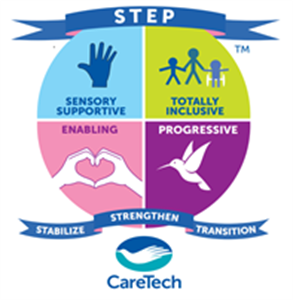
Since returning to school in September, Paul has demonstrated significant and sustained progress in his engagement with education, emotional regulation and independence. Prior to the summer holidays, Paul spent a substantial proportion of his school day away from the classroom environment due to difficulties managing the demands of learning and maintaining regulation. As a result, much of his time was focused on recovery and co-regulation with staff rather than accessing educational opportunities.
Following a carefully planned transition into a new class environment in September, Paul has become considerably more settled and is now engaging in learning for extended periods. This positive change has been supported through the application of the STEP framework, which has enabled the team to better understand Paul's individual needs, reduce barriers to learning and promote meaningful progress across both educational and personal development outcomes.
Sensory
The Sensory principle focuses on creating safety, trust and predictability through an understanding of a young person's sensory, emotional and environmental needs. Staff have worked closely together to identify factors that contribute to Paul's dysregulation and to develop strategies that support him to remain emotionally available for learning.
The consistency of Paul's new classroom environment, alongside well-established daily routines and trusted adult relationships, has provided him with a greater sense of security and predictability. Staff have monitored his emotional wellbeing and responded proactively to signs of anxiety or overwhelm, helping to reduce the need for prolonged periods away from learning.
The use of visual schedules, clear expectations and consistent responses from adults has supported Paul to better understand the structure of his day, reducing anxiety around transitions and enabling him to feel more confident within the educational environment.
Totally Progressive
A Totally Progressive approach has ensured that Paul's strengths, individual communication style and personal aspirations remain central to his support. Staff have placed significant emphasis on understanding Paul's perspective and helping him to communicate his needs more effectively before reaching a point of dysregulation.
A key area of development has been supporting Paul to recognise when he requires a movement break and to request this appropriately. Through consistent modelling, encouragement and personalised communication approaches, Paul is becoming increasingly able to express his needs and seek support proactively.
By recognising Paul's unique profile and adapting support accordingly, staff have removed barriers to engagement and enabled him to experience success within the classroom environment. This has contributed positively to his confidence, self-esteem and willingness to participate in learning opportunities.
Enabling
The Enabling principle has focused on developing Paul's independence, participation and self-advocacy skills. Rather than relying solely on adult-led regulation, support has been directed towards helping Paul understand the strategies available to him and increasing his ownership of these approaches.
Paul is now demonstrating a greater ability to use his visual timetable to anticipate upcoming activities and transitions. This has enabled him to prepare for changes more effectively and has reduced uncertainty throughout the school day.
Staff continue to provide opportunities for Paul to make choices, communicate preferences and participate meaningfully in decisions regarding his support. Evidence-based interventions and targeted support strategies have helped him develop increasingly effective coping skills, allowing him to remain engaged in learning for longer periods and reducing the need for reactive interventions.
Progressing
Paul's progress since September has been significant. He is spending substantially more time within the classroom environment and accessing a greater volume of educational opportunities than was previously possible. Whilst there continue to be occasions when Paul experiences difficulties regulating his emotions, these incidents are less impactful on his overall school day and are increasingly managed through proactive support.
Staff have observed improvements in Paul's engagement with learning, his understanding of daily routines and expectations, and his ability to access support before becoming highly dysregulated. He is requiring less time away from the classroom and is increasingly able to return to learning following periods of challenge.
Perhaps most importantly, Paul is developing the skills needed to become more independent in managing his needs. His growing confidence in communicating with staff, using visual supports and requesting appropriate regulation strategies demonstrates meaningful progress towards longer-term outcomes.
Moving Forward
The next phase of support will focus on continuing to strengthen Paul's communication and self-advocacy skills, enabling him to identify and express his needs with increasing independence. Staff will continue to develop his confidence in using schedules, requesting movement breaks appropriately and maintaining engagement during more challenging periods of the school day.
Target setting and regular reviews will ensure that support remains responsive to Paul's progress and that interventions continue to build upon his developing strengths and achievements.
Outcome
Paul has made significant progress in his ability to engage with education, access learning opportunities and utilise support proactively. Through the consistent application of the STEP framework, staff have created an environment that understands his sensory and emotional needs, values his voice, enables participation and promotes independence. As a result, Paul is spending considerably more time in the classroom, demonstrating improved emotional regulation and developing the confidence and skills needed to achieve continued success within his educational journey.
*Name has been changed to protect identity.